


A new school year can feel like a fresh start.
It can also feel as though everyone else already knows where they belong.
You may see friends greeting each other in the hallway, groups sitting together at lunch, or people making plans after class. From the outside, it can look like everyone has already found their people.
That is rarely the full story.
Many students are wondering how to make friends at school, even if they seem confident. Some are starting at a new school or college. Others have outgrown old friendships, feel left out, or simply want to meet people who understand them better.
Finding your people usually does not happen in one perfect moment. It happens through small choices, shared interests, repeated interactions, and giving yourself time to discover where you feel comfortable.
Finding friends is not about becoming someone new. It is about giving people opportunities to know who you already are.
Start With What Interests You
One of the best ways to find your people is to spend time in places where your interests, values, or experiences overlap with someone else’s.
A class you enjoy, an activity you care about, or a cause that matters to you can give you a natural reason to begin talking with someone.
Instead of asking, “Where will I fit in?” try asking, “What do I want to explore?” That shift takes some of the pressure off making friends and puts the focus on doing something meaningful or enjoyable.
Your interest could lead you to:
- Art, music, theater, dance, or writing
- Sports, fitness, or outdoor activities
- Robotics, coding, gaming, or academic clubs
- Cultural or identity-based student organizations
- Student government or leadership groups
- Community service or advocacy
- A part-time job, internship, or campus organization
You do not have to choose an activity because it is popular. Choose something you would still be curious about even if you did not know anyone there yet. When you are focused on a shared activity, conversation can develop more naturally.
Use Clubs and Activities to Meet People
Clubs and activities make it easier to meet people because you see the same faces regularly and already have something to talk about. Over time, those small interactions can build friendship and inclusion and help school feel more welcoming.
Working toward a shared goal, learning something new, or showing up for a cause you care about gives friendships time to develop naturally.
You do not need to join everything. One activity that genuinely interests you can be more helpful than filling your schedule with groups that do not feel like you.
Give a new activity more than one meeting when you can. The first time may feel unfamiliar. Returning gives people a chance to recognize you, include you in conversation, and get to know you.
Look Beyond Your School
If the right group is not available at school, look beyond the school building.
Your school does not have to be the only place where you find friendship or belonging. You might meet people through:
- A community center, library, or recreation program
- A local sports league or fitness studio
- Volunteering for a cause you care about
- A faith or cultural community
- Art, music, language, or technology classes
- A job, internship, or safe, well-moderated online community based on a shared interest
Having a community outside school can be especially valuable when school friendships feel limited. It can remind you that one classroom, lunch table, or campus does not define your ability to belong.

Take One Small Step
Start with one manageable action. Sit near someone who seems approachable, volunteer for a small role, ask a question, or invite someone to work with you. You do not need to introduce yourself to everyone. One small interaction can make the next one feel more natural.
When you are ready to start a conversation, begin with what you already share. The conversation does not have to be clever or memorable.
You could try:
- “Have you been to this club before?”
- “What did you think of that assignment?”
- “How did you get interested in this?”
- “Do you want to work together?”
- “Are you going to the next meeting?”
- “I like your backpack. Where did you get it?”
Then listen to the answer and ask one natural follow-up question. You are not trying to impress someone. You are simply giving both of you a chance to learn whether you enjoy talking to each other.
If the conversation is brief, that does not mean it went badly. The other person may be nervous, distracted, or unsure what to say too.
Give New Friendships Time
Friendships often grow through ordinary moments: sitting near the same person again, sharing a joke, helping each other with an assignment, or saying hello in the hallway. You may not meet your closest friends during the first week of school, and that is okay.
Each experience helps you learn where you feel comfortable, what qualities you value in a friend, and which interests you want to pursue. Belonging can begin with one person who remembers your name, one activity you look forward to, or one place where you feel a little more like yourself.
When Exclusion Gets in the Way
If you are being excluded, first remember that one group’s decision does not determine your worth or where you belong.
Being left out hurts. Sometimes it happens because friendships change or people do not realize the impact of their choices. Other times, exclusion is repeated and intentional. When someone repeatedly uses exclusion, rumors, humiliation, or group pressure to hurt or isolate another person, it may be a form of bullying.
You can respond by:
- Talking privately with someone you trust in the group and naming what happened, if that feels safe
- Spending more time with people who treat you respectfully and exploring another group or community
- Telling a trusted adult, teacher, counselor, coach, or supervisor if the behavior continues
- Learning what to do if someone is bullying you
You should not have to keep proving yourself to people who repeatedly make you feel small. Walking toward a healthier space is not giving up. It is making room for relationships that can grow.
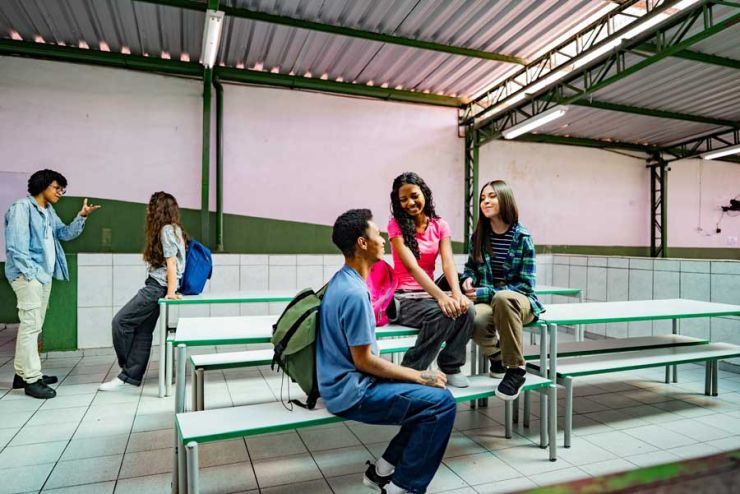
Your People May Be Looking for You Too
Finding your people starts with giving yourself opportunities to be seen. Follow what interests you. Try something new. Return a second time. Start one conversation.
Look for friendships where you can be yourself, share what matters to you, and feel respected. The right friendships make room for who you are.
A new friendship may begin with one shared interest and one person who is glad you showed up.
Your people may be looking for you too.
Every day, students are facing bullying, harassment, and online harm;
often without support. Help us reach them before it escalates.
Follow STOMP Out Bullying